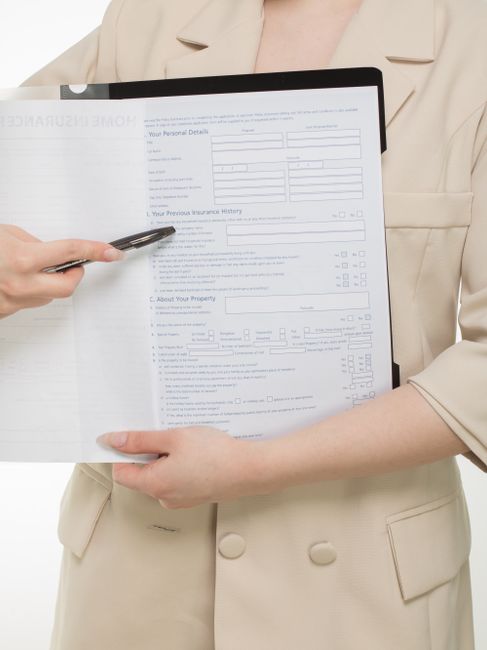
Licensed removals and insurance explained for Edgware moves

If you are planning a move in Edgware, the words licensed removals and insurance can sound a bit dry at first. Then moving day gets closer, and suddenly they matter a great deal. Who is handling your furniture? What if a stairwell is tight, or a sofa gets scratched, or the rain turns a simple job into a slippery mess? These are the questions people usually ask once the boxes are already stacked by the door.
This guide breaks down licensed removals and insurance explained for Edgware moves in plain English. You will learn what "licensed" should mean in practical terms, how removals insurance usually works, what to check before booking, and where people often get caught out. We will also look at the difference between a basic man and van style job and a fuller removal service, because the right choice depends on the move, not just the postcode. Let's make it clear, useful, and reassuring.
Why licensed removals and insurance matter in Edgware
In a busy local move, it is easy to focus on price and availability first. Fair enough. Everyone wants the van on time and the stress kept down. But if the mover is not properly set up, the cheapest quote can become the most expensive mistake on the day.
Licensed removals are about more than a nice-looking van. In practice, you want a removal company that is legitimate, traceable, and operating with the right business standards for the job. That means clear business details, proper paperwork, and a professional approach to handling your belongings and your property. Insurance then sits alongside that as the safety net. It does not replace care, but it does matter when real life happens. A corner gets bumped. A drawer slips. A wet pavement turns a neat handover into a bit of a scramble.
For Edgware moves, this matters because homes and businesses here can involve shared access, flats, managed buildings, parking limits, and narrow time windows. A mover who understands those pressures is usually better prepared for the unexpected. And honestly, the unexpected is what moving day is full of. If you have ever watched a wardrobe turn sideways in a hallway that looked perfectly wide on paper, you will know what I mean.
There is also the trust issue. Moving home or relocating an office means handing over items that are both valuable and personal. Family photos, laptops, office files, instruments, glass tables, awkward lamps that should probably have been left in the shop. You need a company that can explain what happens if something goes wrong, not one that goes vague or defensive. Vague is never a great sign.
How licensed removals and insurance explained for Edgware moves works
Most people use the word "licensed" to mean "properly approved" or "above board". That is the right general idea, though the detail can vary. A reputable mover should be a registered business with a real trading identity, a published service structure, and sensible operating processes. In a removal context, licensing is less about a single magic badge and more about whether the company operates professionally, legally, and transparently.
Insurance is easier to understand once you split it into parts. You are usually looking at a combination of cover that may include public liability, goods in transit protection, and employer's liability if staff are involved. Each type of cover does something different. Public liability is about damage or injury linked to the business's activities. Goods in transit is about items being moved. Employer's liability relates to the company's responsibility for employees. Not every policy is the same, and not every move requires the same level of cover, so it is worth asking for specifics rather than assuming.
Here is the practical version: if a mover says they are insured, ask what that actually means. What type of policy is in place? What does it cover? Are there exclusions for items packed by the customer, fragile goods, or high-value belongings? Are there claim limits? If they cannot answer clearly, that is a clue. Not always a disaster, but definitely a clue.
Good movers also align insurance with process. For example, a team may use wrapping materials, load-securing equipment, floor protection, and route planning to reduce risk before insurance is ever needed. You can learn a lot from how they talk about the job. A strong operator discusses risk as part of the service, not as an awkward add-on.
Practical summary: licensing tells you the business is real and structured; insurance tells you what protection sits behind that structure; and good handling practices show whether the company is likely to avoid problems in the first place.
Key benefits and practical advantages
Once you understand the basics, the benefits become pretty obvious. Licensed removals and clear insurance do not just protect the customer. They usually improve the whole move.
- Less uncertainty: you know who is responsible if something happens.
- Better communication: established businesses tend to provide written quotes, terms, and expectations.
- Safer handling: insured movers usually take loading, lifting, and transport more seriously.
- More suitable planning: professional teams often assess access, parking, and item sizes before the van arrives.
- Stronger protection for valuables: furniture, appliances, and specialist items are less likely to be handled casually.
- Reduced stress: you are not wondering whether a scratch, spill, or breakage will turn into an argument later.
There is also a quieter benefit that people only notice once the move is underway: confidence. When the crew turns up with proper kit, clear names on paperwork, and a sensible plan, you relax a bit. The kettle gets packed, the dog gets underfoot, and yet the whole thing feels manageable. That feeling matters more than most people expect.
For commercial clients, the advantage is even more practical. Office moves can involve equipment, confidential documents, and time-sensitive access. A mover with clear insurance and professional procedures is much easier to trust around business-critical items. It is not glamorous, but it is the difference between a smooth handover and a long Monday.
Who this is for and when it makes sense
This topic is relevant to almost anyone moving in or out of Edgware, but some people need it more urgently than others.
- Home movers: especially if you have furniture, white goods, mirrors, or family items you do not want risked.
- Flat movers: because stairs, lifts, shared hallways, and parking can all raise the chances of mishaps. If you are looking at flat removals, insurance and planning become even more important.
- Families moving a full house: there is usually more volume, more time pressure, and more fragility than expected. A house move can look simple right up until the last box appears.
- Students and renters: often working to tight budgets, but still needing reassurance that items will be moved properly. A compact service such as student removals can be a good fit if the provider explains cover clearly.
- Businesses and offices: where assets and downtime matter. For those moves, commercial moves and office removals require more than just a van and goodwill.
- People moving awkward items: pianos, bulky wardrobes, or delicate furniture usually need a more specialist approach. A company offering piano removals or furniture removals should be able to explain its protection measures in plain language.
This also makes sense when you are comparing a one-man operation with a larger moving team. A man with van arrangement can be absolutely fine for small, simple jobs. But if the contents are more valuable, the access is trickier, or you need a full load, then the insurance conversation matters more. Not because small operators are bad. Just because the job changes.
Step-by-step guidance for a safer move
If you want to check a mover properly without turning the process into a project, follow these steps.
- Ask what the service actually includes. Does it cover loading, unloading, packing support, dismantling, or storage? A clear scope prevents awkward surprises later.
- Request proof of insurance in simple terms. You do not need to be an insurance specialist. You do need to know what is covered, what is excluded, and whether there are limits that matter to your belongings.
- Confirm business details and trading identity. A proper operator should be easy to identify, contact, and hold accountable. If details feel thin, pause.
- Discuss access at both addresses. Parking, stairs, lifts, road restrictions, and carrying distance all affect risk. Edgware properties can vary a lot from one street to the next.
- List fragile or high-value items early. This includes TVs, artwork, glass, musical instruments, and anything sentimental. If you say it late, the team may not have the right materials on board.
- Ask how claims are handled. If damage occurs, what is the process? Who do you contact? How quickly should you report it? A decent company will already know the answer.
- Get the quote and terms in writing. Verbal promises are easy to forget when everyone is tired and the van door is shutting.
That really is the backbone of it. Not glamorous, but solid.
For more context on service standards and safeguarding, it can help to read a company's own pages on insurance and safety and health and safety policy. Those pages should not feel like jargon soup. They should feel like evidence that the business takes risk seriously.
Expert tips for better results
A few practical habits make a big difference. In our experience, the smoothest moves are not the lucky ones. They are the planned ones.
- Choose the right service level. A light job may suit a man with a van style service. A larger move may need a full removal services setup or a bigger vehicle such as a moving truck.
- Use packing materials properly. Good packing reduces claims problems. A company offering packing and boxes or packing and unpacking services can save time and lower risk.
- Label items with destination rooms. This sounds basic, but it keeps unloading calmer and reduces the chance of heavy objects being moved twice.
- Separate essentials from insured load. Keep passports, medications, chargers, and key documents with you. Insurance helps with goods, not with the stress of losing the one envelope you suddenly need.
- Take quick photos of valuables before collection. Not because you expect a problem, but because clear records make life easier if one occurs.
- Build in a little time margin. Traffic, parking, and access delays happen. A 15-minute cushion can stop the whole day feeling rushed.
One small thing that helps more than people think: tell the movers about awkward items before the van arrives. A narrow staircase, a heavy oak table, a piano, a temperamental lift. Mention it early. It saves everyone from the polite panic that starts at the front door.
And if you need a comparison point, review the company's overall approach to removal companies rather than looking only at price. The cheapest quote sometimes leaves out the exact protection you assumed was included. That is where people get stung.
Common mistakes to avoid
These are the errors that show up again and again, and they are avoidable.
- Choosing on price alone. Low quotes can hide weak cover, limited manpower, or awkward exclusions.
- Assuming "insured" means everything is covered. It rarely does. Read the scope. Then read it again.
- Not declaring valuable items. If the mover does not know about it, they cannot plan around it.
- Forgetting access details. Parking restrictions and shared entrances can cause damage if the team is surprised.
- Packing too loosely. Boxes that crush or open in transit can create a mess very quickly.
- Skipping the written quote. If there is no paper trail, disputes become much harder to settle.
- Not asking about exclusions. Some policies treat self-packed fragile items differently. Others have value caps. Always check.
Anecdotally, the most common regret is not the damage itself. It is the feeling of "I should have asked that earlier." You really do not want that feeling at 8:30 in the evening, standing in a hallway surrounded by half-open boxes and one missing kettle. Trust me on that one.
Tools, resources, and recommendations
You do not need fancy systems to manage a move well. A notebook, a phone camera, and a sensible checklist go a long way. Still, a few tools and service pages can help you make better decisions.
- Written inventory: list items by room and note anything fragile or high-value.
- Photo log: quick pictures of furniture condition before the move can be very useful.
- Room labels: simple sticky notes or marker pens help the unloading process.
- Secure payments: review a company's payment and security approach before paying deposits or balances.
- Transparent pricing: check how the business structures its estimates by reading pricing and quotes.
- Storage options: if completion dates or office handovers are not aligned, short-term storage can reduce pressure.
One useful recommendation: choose a mover that can explain the job without sounding scripted. If you ask about insurance, access, or fragile items and the answer is calm, specific, and practical, that is a good sign. If the answer feels fuzzy, keep looking.
Law, compliance, standards, and best practice
For removals in the UK, the safest mindset is to expect professionalism rather than assume it. A removal business should operate in line with normal business, safety, and consumer expectations: clear terms, honest pricing, appropriate insurance, and proper handling of customer goods. The exact legal and policy obligations vary by business type, service model, and staffing structure, so it is best to treat this as a practical checklist rather than a one-size-fits-all rulebook.
Best practice usually includes:
- clear written terms and conditions;
- transparent quotation and payment methods;
- reasonable public liability and goods in transit cover;
- staff training for lifting, loading, and safe vehicle use;
- risk awareness for stairs, lifts, narrow roads, and heavy items;
- complaints and claims procedures that are easy to find and understand.
If a mover has a published terms and conditions page, that is useful because it shows how the company thinks about responsibility. If they also publish a clear complaints procedure, that is even better. It does not mean problems never happen. It means the business has a process for dealing with them.
There is also an ethical side. A responsible company should be careful with staff welfare, customer property, and the handling of waste or unwanted items. Services such as recycling and sustainability show whether the provider thinks beyond the van journey itself. That broader approach often goes hand in hand with better care.
Options, methods, and comparison table
Different move types call for different levels of service. Here is a simple comparison to help you think it through.
| Option | Best for | Insurance focus | Typical strengths | Possible limitations |
|---|---|---|---|---|
| Man with van | Small loads, flexible timing, student or single-room moves | Ask carefully about goods in transit cover and item limits | Quick, often economical, practical for lighter jobs | May not suit bulky or high-value loads |
| Full removal service | House moves, family moves, larger flats, busy access | Usually more structured cover and clearer procedures | More hands, better planning, easier handling of complex moves | Costs more than a small van-based job |
| Specialist removal service | Pianos, fragile furniture, office equipment, awkward access | Needs item-specific clarity and experience-based handling | Better protection for difficult items | Not always needed for standard moves |
| Short-term storage plus move | Delayed completions, staged office changes, temporary space gaps | Check how items are protected in storage and during transit | Flexibility and less time pressure | Extra cost and another handover to manage |
In short, there is no universal "best" option. There is only the right match for the size, value, and complexity of the move. That sounds obvious, but it is the bit people skip when they are rushing.
Case study or real-world example
A typical Edgware move might look like this. A couple are leaving a two-bedroom flat for a house a few streets away. They have a sofa, a glass dining table, a TV, and a few boxes of fragile kitchen items. The building has a shared entrance, a narrow stairwell, and a limited parking window.
They speak to a removal company that explains its insurance plainly, confirms what is and is not covered, and asks about access before pricing the job. The movers bring covers, straps, and enough people to handle the sofa without forcing it around the corner. One box is marked fragile because it contains glasses and a lamp. The team loads it separately. Nothing dramatic happens, which is exactly the point.
Now compare that to the other version. A cheaper quote arrives fast, with almost no detail. Insurance is mentioned but not explained. No one asks about the stairwell. On moving day, the team turns up short-handed and surprised by the access. Suddenly the job takes longer, tempers rise, and everyone is lifting more than they should. It is not always catastrophic. But it is messy, and messy is avoidable.
The lesson is simple. Good insurance matters, yes. But clear planning matters too. The two work together. One protects the outcome; the other prevents the problem from happening in the first place.
Practical checklist
Use this before you book any mover for an Edgware move.
- Have I received a written quote?
- Do I understand what is included in the service?
- Has the mover explained what insurance cover applies?
- Do I know how claims are handled if damage happens?
- Have I mentioned stairs, lifts, parking, or difficult access?
- Have I listed fragile, awkward, or high-value items?
- Have I checked the company's terms and conditions?
- Do I know what happens if I need storage or a delay?
- Have I prepared essentials to keep with me?
- Do I feel comfortable with the company's answers, not just the price?
That last one is worth emphasising. Comfort matters. If the conversation feels rushed or slippery, trust your instincts a little. They are often right.
Get a free quote today and see how much you can save.
Conclusion
Licensed removals and insurance are not just box-ticking details. For Edgware moves, they are the framework that helps you move with less risk, fewer surprises, and a lot more confidence. A professional mover should be able to explain the service clearly, show how your belongings are protected, and answer the awkward questions without making you feel fussy. You are not being difficult. You are being sensible.
If you remember only three things, make them these: check the service scope, understand the insurance, and confirm the access details before moving day. Do that, and you have already avoided most of the problems people talk about after the van has gone. It is a calmer way to move. And honestly, calmer is better.
When you are ready to plan the move properly, a trusted local team can make the whole thing feel less like chaos and more like a reset. That is the real aim, isn't it?
Frequently Asked Questions
What does licensed removals mean in practical terms?
It usually means the removal business is properly established, operating under a real trading identity, and using professional processes for quoting, handling goods, and dealing with customers. It is less about a single badge and more about whether the company looks and behaves like a legitimate operator.
What insurance should a removal company have?
The most commonly discussed types are public liability, goods in transit, and employer's liability. The right combination depends on the company and the service being offered. Ask what each policy covers, because "insured" on its own is too vague to rely on.
Is goods in transit insurance the same as public liability?
No. Goods in transit usually relates to belongings being moved. Public liability is about injury or property damage linked to the business's activities. They serve different purposes, and both can matter during a move.
Do I need extra insurance for valuable items?
Sometimes, yes. If you have expensive artwork, antiques, instruments, or items with high sentimental or financial value, check the mover's limits and exclusions. A standard policy may not fully reflect the true replacement cost.
What happens if something is damaged during the move?
You should report it as soon as possible and follow the mover's claims process. Keep photos, note the item, and retain your paperwork. A well-run company will have a clear procedure rather than making you chase answers.
Are man and van services insured enough for a house move?
Sometimes they are suitable for smaller jobs, but for larger or more complex house moves, you should check the cover carefully. A man and van service can be practical, though it may not suit every home move.
How do I know if a removal company is trustworthy?
Look for written quotes, clear contact details, straightforward answers about insurance, and a sensible terms page. Trustworthy companies tend to be consistent. If the story keeps changing, that is not a great sign.
Should I choose the cheapest removal quote?
Not automatically. A low price can be fine if the service is properly scoped, but a quote that is unusually cheap may leave out cover, manpower, or time allowances. Compare the value, not just the number.
Does packing my own boxes affect insurance?
It can. Some movers treat customer-packed fragile items differently, especially if boxes are weak or not clearly marked. Ask whether self-packed items have any special exclusions before the move.
What should I ask before booking removals in Edgware?
Ask what is included, what insurance applies, how claims work, whether there are value limits, and what access details the team needs. If you are moving from a flat or a tight street, mention it early. It saves time and avoids confusion.
Is insurance still important if the movers are careful?
Yes. Careful handling reduces risk, but it does not remove it completely. Insurance is the backup when ordinary caution is not enough, and that happens more often than people expect.
Where can I check a company's terms and safety information?
Look for published pages such as terms and conditions, health and safety policy, and insurance and safety. Those pages should help you understand how the company works before you commit.