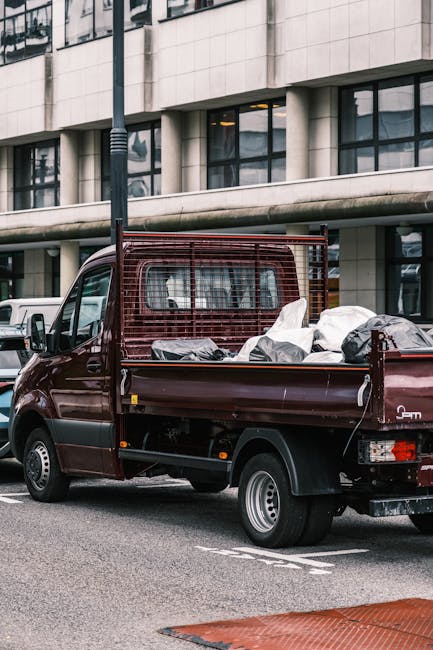
Edgware removals for homes, flats and offices

Edgware removals should feel organised from the first enquiry through to the last item being placed where it belongs. We provide a practical removals service in Edgware for household moves, flat moves, office relocation work and furniture transport, with a focus on careful handling and clear planning. Whether the job involves a few bulky pieces or a fuller property move, the aim is to move items efficiently while keeping the process straightforward for the customer.
Our service is built around the type of move rather than a one-size-fits-all approach. We can assist with packing support, lifting and carrying, loading, transport and unloading, and we can also help with furniture removal when individual items need to be taken away rather than moved to a new address. If you are comparing options, look at the scope of the move, access at each property and any items that need extra care before you request a quotation.
For a clear starting point, many customers prefer to outline the rooms involved, the approximate volume of belongings and any awkward access such as stairs, limited parking or narrow hallways. That gives us a better basis for planning a suitable team and vehicle, and it also helps to identify whether packing materials, dismantling or storage arrangements may be relevant. A concise description of the move is usually the easiest way to begin.
House and flat removals
House and flat removals in Edgware often need a balance of speed and care. Family homes may involve furniture from several rooms, boxes, appliances and personal belongings, while flat removals may require extra attention to stair access, lifts, loading bays and neighbour-friendly timing. We handle the practical side of those moves in a way that aims to reduce disruption and keep each stage orderly.
Our home moving work can include careful loading of larger furniture, protection for fragile items and sensible sequencing so that essentials are easy to find again after arrival. For customers who want a more guided move, our home moves page explains the wider domestic service, while flat removals covers properties where access and shared spaces can shape the move more heavily. If some belongings need to go separately, our furniture removals service is a useful option for single items or smaller consignments.
Good planning starts before moving day. A room-by-room list, any items that must be protected, and details of whether parking is available close to the property all help to set expectations. If packing is unfinished, it is often sensible to identify which boxes are ready and which areas still need attention. When the move is clear, the quotation is usually clearer too.
Office removals and commercial moves

Business relocations need different priorities from domestic work. Office removals are often about keeping workspaces in order, moving furniture and equipment safely and making sure essential items are handled in a sensible sequence. Our office relocation support is suited to moves where desks, chairs, storage units, files or IT-related equipment need to be moved without unnecessary confusion.
For a fuller business move, our office removals page covers the core relocation work, while office relocation services gives a broader view of planning, transport and set-down support. If the move is part of a wider change in premises or a larger operational transfer, commercial moves is the relevant place to look. The emphasis throughout is on practical handling and a move that is organised around your workspace, rather than around generic packing advice.
Commercial customers often benefit from identifying what must be moved first, what can be disconnected beforehand and whether any items need special handling because of size or finish. Useful details include the floor level, access times, parking arrangements and whether anything is particularly heavy or awkward to dismantle. You do not need to over-explain the whole move, but a few facts help shape a sensible plan. That is especially useful when equipment or furniture needs careful sequencing.
Packing, carrying and transport options
Some removals are straightforward once the packing has been done, while others need a more complete service. Packing can protect delicate possessions, keep mixed rooms organised and reduce handling risk during loading and unloading. Our packing support is designed to work alongside the move itself, so customers can choose the level of help that suits their timetable and the type of belongings being moved.
Where a move needs more than cartons and tape, our packing and boxes page is the place to look for the packing side of the service, and packing and unpacking services explains how we can help before and after transport. For customers who only need lifting and a vehicle, man and van and man with a van describe more flexible transport options. These pages are helpful when the job is smaller, local or made up of selected items rather than a complete property move.
When deciding what to book, think about whether the job is mainly transport, mainly labour or a mixture of both. That distinction affects what needs to be carried, how long loading may take and whether packing supplies are required. It also helps to mention any fragile items, awkward furniture or goods that cannot be stacked. Clear priorities make the move easier to organise.
Furniture, bulky items and specialist handling
Not every removals job is a full household relocation. Sometimes the main requirement is simply to move a sofa, a wardrobe, a table or a single heavy item that is too large for a normal car or too awkward to shift alone. Furniture transport needs safe lifting, sensible padding and enough space in the vehicle to avoid scratches or strain on the item.
Our furniture pick-up service suits individual items that need to be collected and delivered, while furniture removals covers larger or more structured item transport. For heavier specialist work, piano removals is the relevant option when a concert or upright piano needs a careful move that takes weight, shape and handling into account. These are all part of a wider removals offering, but each one addresses a different practical need.
Specialist items are easier to plan when the dimensions, access points and destination room are known in advance. It is also useful to say whether the item must pass through tight doorways, stairs or shared halls, because that can affect the loading method. Good handling begins with the right information about the item itself.
About Edgware

Edgware is a north-west London area associated with the London Borough of Barnet and is best known for its position on the northern edge of the built-up capital, where transport routes and suburban streets meet open stretches of the wider Green Belt beyond. The name has long been connected with the old village centre, and the modern area retains traces of that historic nucleus around Edgware Road and the older street pattern, even as later development expanded the neighbourhood into a much larger urban district. St Margaret of Antioch’s Church is one of the area’s longstanding landmarks, reflecting the parish history that predates many of the twentieth-century changes. Nearby, the Broadwalk Centre has served as a shopping focus, while the local high street and surrounding roads continue to provide a mix of retail, services and everyday civic life. Edgware tube station, on the Northern line, has also shaped the area’s role as a transport gateway, linking it closely with central London and other parts of north-west London. The area includes residential streets, smaller green spaces and connections towards larger parks and open land in surrounding districts, so it sits at a boundary between dense suburban life and quieter outer-edge landscapes. Like much of Barnet, it has layers of post-war redevelopment alongside older routes, making it a place where architectural styles and street layouts can vary noticeably from one part to another. This combination of transit links, community facilities, local shopping and historic continuity gives Edgware a character that is practical, busy and rooted in long-established settlement patterns.
For customers comparing move dates or thinking about how to organise the work, the practicalities are often shaped by property type, building access and the amount of furniture involved. We can help you plan around those details and keep the move focused on what actually needs to be shifted. If you are ready to get started, the next step is simple: ask for a quotation.
If you are unsure which service best fits the job, start with the main items, the rooms involved and the access at each end. A short description is enough to begin matching the move to the right service. You can also compare broader options such as home moves, office relocation or a smaller van-based service before making your choice. One clear enquiry is often all that is needed to narrow it down.
Planning your removals quotation
A quotation works best when it reflects the move as closely as possible. That usually means listing the property type, approximate number of rooms, any large or fragile items and whether dismantling or reassembly is likely to be needed. If the move includes both furniture and boxes, it helps to say which parts are ready and which still need preparation. Those details support a more accurate estimate.
Our pricing and quotes page gives a useful route to the commercial side of the service, while removal services is a broad overview for customers who want to compare the main options in one place. If you are looking at a smaller or simpler booking, removals provides a general starting point and removal companies may help when you want to review the kind of work a removals business can handle. These pages are most useful when you are deciding which level of service fits the job.
It is also sensible to mention anything that may affect loading time, such as stairs, long carrying distances, parking restrictions or access times at an apartment block or office building. That does not mean you need a full inventory before making contact, only enough information for a realistic response. The more accurate the outline, the more useful the quote.
Smaller moves, same-day needs and vehicle hire

Not every removals booking is planned weeks ahead. Some customers need a smaller move handled quickly, while others only require a vehicle and lifting help for a short local transfer. These jobs still benefit from the same attention to safe handling and practical organisation, even when the scale is modest. A flexible service can be useful when the job involves a limited number of items but still needs careful transport.
Where the job is time-sensitive, our same-day removals page outlines an option for urgent moves. If you simply need a vehicle for item transport, removal van and removal truck hire describe transport-focused alternatives. For moves involving students or compact household loads, student removals may be the more appropriate fit. We also support house removals and house removalists for customers who want to compare the domestic service wording on the site.
When choosing between these options, the main factors are volume, access and whether the move needs labour as well as transport. A small booking can still involve heavy items, awkward stairs or delicate finishes, so the easiest way to narrow the service is to describe the actual load rather than the label you think it should have. That keeps the conversation focused and avoids unnecessary complexity.
Storage, recycling and responsible disposal
Sometimes removals are not just about going from one property to another. Items may need to be stored temporarily, and a few possessions may be unsuitable for the new space or no longer needed. In those cases it helps to separate what is moving, what is being kept and what may require disposal or recycling. That makes the work more orderly and helps prevent confusion at the loading stage.
Our storage page is relevant when belongings need to be held for a period between properties, while recycling and sustainability covers the responsible side of managing unwanted items where reuse or recycling is appropriate. These services complement removals by giving customers options for items that are not simply heading straight to a new address. They are particularly useful in larger moves where timing does not line up perfectly between the old and new premises.
If you are weighing up storage or disposal alongside the move itself, think about which items need to remain accessible and which can be separated earlier. A short list of bulky, fragile or non-essential items can help identify whether they should be moved, stored or dealt with another way. That decision is often easier to make before moving day than during it.
Safety, service standards and final quotation details

Safe removals depend on sensible handling, suitable equipment and a clear understanding of the job before it starts. Our approach is to move items carefully, keep the transport process practical and stay focused on the work that has been agreed. Where customers want to understand the wider standards behind the service, our insurance and safety page and health and safety policy set out the site’s published policy pages, while payment and security explains the commercial side of booking and payment.
For general business information, about us offers the company overview, and contact us is the final step when you are ready to make an enquiry or confirm the details for a quotation. If you still have time to compare options, the broader pages on removals, packing or office relocation can help you settle on the best fit, but the simplest route is often to describe the move in one message and ask for a quote.
Edgware customers who want a straightforward, well-organised removals service can start with the main items, the access at each end and any pieces that need special handling. From there, we can shape the work around the job rather than forcing the job into a fixed template. Tell us what needs moving, and we can take it from there.